It’s October 10th, which means that once again it’s World Mental Health Day! Now I’ve written about World Mental Health Day before (twice, actually), so there is a lot that’s been said about not only recognizing the importance of mental health but seeking out ways to be as mentally healthy as possible. World Mental Health Day also takes place during Mental Illness Awareness Week, putting an added focus on being aware of how pervasive mental illness is in today’s world.
mental health
We’re Heading Into Winter
So it’s October! While September is a little less in your face about it being fall, by the time we reach October people are pretty much in full-on Jack Skellington mode or sending Dwight Schrute’s pumpkin head to their friends. But for me, October can signal a lot of changes – the most important one being that summer is over, and this year it’s especially important to me.
How to Fight the Mental Health Stigma
I have battled mental health issues for more than six years and, for just as long, I have been battling the stigma of mental health. There are plenty of reasons as to why the stigma surrounding mental health continues to exist, but its results are usually the same. People are given an inaccurate picture of what mental illness looks like and, based on this depiction, they treat people with mental illness a certain way. This leads potentially making people feel ashamed of their struggles, and not seeking help for those struggles.
While progress has been made, the stigma surrounding mental health persists in our world today (which I wrote about on the blog last week). But there are several things you can do to lessen the stigma surrounding mental health. While not all of them are easy, any action taken toward shrinking the stigma goes a long way not only for that person but for any of us who are struggling with our mental health. Here are some things to try to lessen the mental health stigma:
Be Open and Honest
When someone asks you how you’re doing, it’s natural to say that we’re ‘fine.’ But if you’re with someone that knows you well and you feel comfortable around, it might not hurt to tell them how you’re really doing. People are afraid of the unknown, but when you thrust mental health into everyday conversation, it becomes easier for people to accept in time.
Word Choice is Important
Labels – and knowing the right labels – are important when it comes to mental health. Your friend being sad for a few hours doesn’t mean they have depression. I’ve heard people get called bipolar all the time if they act even remotely out of the ordinary. And of course, there’s the constant labeling of the mentally ill as ‘crazy’ – a misspoken phrase that unfortunately is quite common. Once you pay attention to the words you use, you can begin to recognize when people around you use language that’s hurtful to the mentally ill.
Mental Health is Equal to Physical Health
This is something that I personally try to encourage as much as possible – that mental health is just as important as physical health. Mental illness is a disease just like all the other physical diseases out there, it’s just harder to see. Once people around me understood that I live with a disease, it was easier for them to accept why I sometimes couldn’t come to parties or hang out with them.
It’s All Relative
Mental health is not a one-size-fits-all type of thing. People are all on different journeys and in different places with their mental health, and what works for one person may not work for another. Recognizing that we’re all individuals with our own stories might seem like common sense, but mental health is something that’s often put into a box because of the lack of awareness or education. Don’t be afraid to tell your story and let people know that it’s just that – your story.
These are just a few of the many ways we can work to shrink the stigma. It’s hard to know what will work best in a given situation but one thing is certain – that stigma won’t go away if we don’t try to get rid of it!
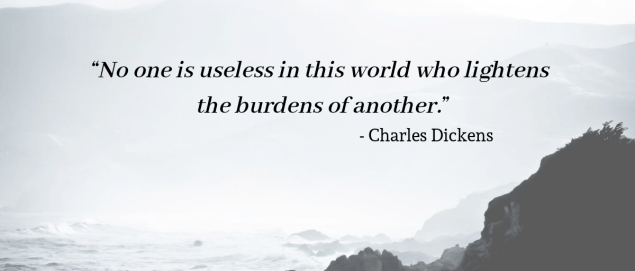
Is Mental Health Still Stigmatized?
I have a short answer and a long answer to the question above. The short answer? Yes, it is. The long answer? Give me a second.
When I ask questions in my posts, I often turn to Google to gauge how legitimate my question is. This time, though, I looked for something more specific – the dates of the results on the search page. I knew there would be articles, posts and web pages asking my same question, but I wanted to know if they were old or new. And what I found was that there was a mix of both. I’d see a study from 2012 next to a blog post from 2015 all jammed between two articles from May 2019. What did that show me? That this question is an ongoing discussion about how we deal with mental health in the United States.
The long answer to this question: while it is still stigmatized, it seems like that stigma isn’t as strong as it once was. That’s what I feel comfortable saying.
That answer doesn’t sound long, does it? Look at what I wrote though. The stigma isn’t as strong as it once was. What I’m saying is that I believe it’s not as bad as things used to be. Usually, that would imply that things are good in the present. But the argument that things are better than before is a dangerous argument to make (see: most of History). Will taking that approach with mental health help in the long run?
I’m encouraged at the number of celebrities who are being more open about their mental health. I feel proud when I see a professional athlete say they’ve gone through tough periods of depression or anxiety because I was an athlete growing up; I understand how brave you have to be to do that. I know these stories help other people who struggle with their own mental health and that’s wonderful (I can’t emphasize that enough. It’s truly wonderful). But we also have to acknowledge that if there wasn’t such a strong stigma, a famous person talking about mental health wouldn’t be so groundbreaking in a country where 1 in 5 U.S. adults experience mental illness every year. And yet, it is.
Has the stigma surrounding mental health decreased? Sure, you could say that. But if you do, look at where it used to be. That might reframe how you answer the question. And honestly, there’s plenty of ways to discuss/debate this topic. Is the stigma decreasing? Are people being more open about mental health? How can we reduce the stigma, or just overcome it?
All are valid questions, but there’s a reason I asked the question the way I did – I wanted you to react. When you read that question, you had an instant reaction. It might have been yes, no or somewhere in between, but you thought something. A key way to break down a stigma – any stigma – is to talk openly about it. So we need people to think about it and talk about it. Whether they think they’re right or wrong, opinionated or not. Because as long as mental health is stigmatized, there’s still work to do.
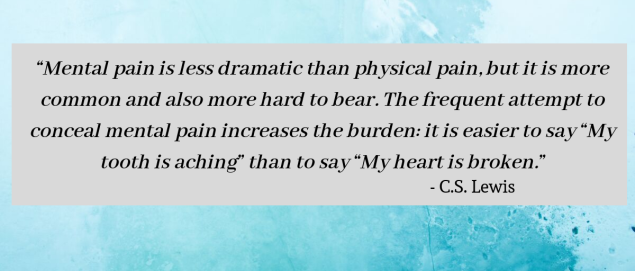
I Might Feel Worthless, But My Experience is Not
One of the most common symptoms of clinical depression and other depressive disorders is feeling worthless. I’d delve more into why this happens and how this affects people, but that’s not my main point today (though I have written before about recognizing the signs of depression).
The symptoms might be similar, but each person’s experience with depression is unique because of their personality and life experiences. You and I might both be feeling worthless right now, but the way it manifests itself in our daily lives could look extremely different. However, there’s one important aspect of this struggle that is overlooked, underrated and 100% true: your experience – whatever it is – is worth something.
Suicide Prevention Awareness Month 2019
TW: This post discusses suicide.
Every year that I’ve done this blog, I’ve written about Suicide Prevention Month. Personally, it’s never easy to write, but the information is so necessary that I feel I’d be misleading you by not writing about it. Because it’s not enough to be aware that suicide is widespread in this country – we have to do more than that. But how?
If you think this issue is going away, I’m here to tell you that it’s not. According to the National Institute of Mental Health, suicide the tenth-leading cause of death in the United States. It is the second-leading cause of death among individuals in the 10-14, 15-24, and 25-34 age groups. It is the fourth-leading cause of death among individuals in the 35-44 and 45-54 age groups. The AFSP reported that in 2017, there were an estimated 1.4 million suicide attempts, and 4.3% of all adults in the United States admitted to having suicidal thoughts at some point that year.
But this month is not just about bringing awareness to the prevalence of suicide but educating people on how to prevent it. There are tons of resources available from organizations and advocacy groups that discuss how we can work to prevent suicide and while they’re available year-round, Suicide Prevention Month provides some time to specifically discuss suicide prevention and the best ways to approach it. The National Alliance on Mental Illness, the Suicide Prevention Lifeline, and the CDC all have pages dedicated not only to suicide prevention but to this month especially.
Next week (September 8-14) is National Suicide Prevention Week and during the week is World Suicide Prevention Day (September 10). There’s plenty more to add to the discussion that will continue as the month goes on whether you’re going to #BeThe1To or talk about #SuicidePrevention or #StigmaFree, but I do want to leave you with this. When it comes to the topic of suicide, asking for help is not easy. Neither is trying to help those who are struggling. But we have to keep fighting – and there’s plenty to fight for.

I’ll See You in August
Hi everyone!
I originally wasn’t going to write this, but then I also realized that it would be uncool for me to just go on radio silence for a month so I thought I would explain. I’ve got a few very big decisions to make in the coming weeks about some stuff in my personal life, and while I’m figuring this out I’m going to need a lot of time to myself to think and contemplate my next move in life. There will be lots of change in my life in the coming weeks as I’ve alluded to in the past but now, it’s not the change I’d originally planned – it’s something new.
All of this thinking, reflecting and contemplation has made it damn near impossible to focus on anything else at the moment, and so I’ll be taking a break from the blog for the rest of the month. To be clear, my mental health is in a good place and I am perfectly safe – that’s not what this is about at all. I hope I can better explain my absence when I return as well as get back to churning out that sweet, premium mental health content we all love so much. But I need some time to process what’s been going on, and the best way for me to do that is to step away and make sure I’m being as considerate as possible to the situation. Thank you for understanding and don’t worry, you’ll be hearing from me soon!
Five Things to Do When You Feel Overwhelmed
Let’s face it – at some point, everyone feels overwhelmed. Whether it’s school, your work or another aspect of your life, there are times when we feel like the world is closing in on us and we feel trapped. While it’s more common for some to feel this way than most people, make no mistake – most people you know have felt overwhelmed about their lives at some point.
I Don’t Like Myself – And That’s Okay
I don’t really like myself. That is not a put down, that is not a criticism. That does not mean the world, or my world, is ending. That is just what I believe.
What Does It Mean to Stay Grounded?
I’ve been reading a book called “The Empath’s Survival Guide” which is all about how to live and succeed if you’re an empathic person (no, I did not mean empathetic – there’s a difference!). I’m hoping that once I finish I can offer a solid review of the book but for now, there’s some word choice in the book that’s caught my eye and led to some questions.
In particular, the author’s constant reminder to ‘stay grounded’ and to ‘ground yourself’ was something I noticed immediately. It was in nearly every chapter, sometimes making multiple appearances, and it made me think – what does it mean to ground yourself? I don’t mean in the sense of staying humble and keeping your ego in check, but actually keeping your feet on the ground and remaining present.
This I how I think of ‘grounding yourself’: being present in the world around you and not living inside your head. I’m sure there are many other aspects of being grounded, but these are the main criteria that I try to follow if I’m looking to be a grounded person.
So, how do you stay present? Different things work for different people, and understanding that there isn’t a one-size-fits-all solution in this situation can go a long way toward maintaining toward being mentally healthy. Some people meditate, others pray to their higher power. People write in journals, listen to soothing music and go for a run. Sometimes it involves exhausting your body; other times it involves exhausting your mind. Regardless, you’re challenging yourself to be in the moment and seeing how long you can stay there.
Some people need more time than others to stay grounded. I know people who only need five minutes a day to meditate and they are refreshed and ready to go; others need more time or need to do more strenuous activity. I am one of those people, and I’m okay with that. The important thing to remember here is that you have to do what works for you. While it’s okay to try things that you’ve seen work in others, don’t put yourself into a box when it comes to staying ground. If it’s healthy and effective, that is all you need to worry about.
I stay grounded in a number of ways, but one of my favorites in the past month has been to go for a run. Now that the weather in DC is nice, I’ve been able to exercise outside, and it’s made me more grounded than anything else in recent weeks. I’m able to exist among the trees and plants on the sidewalks and enjoy the fresh (city) air as I exercise. Though I only currently run twice a week, it’s become something I look forward to and keeps me present – it’s hard to exercise that long if you’re not present in your task!
One more thing – sometimes trying to be grounded doesn’t work. That’s okay. Don’t put pressure on having an activity ‘cure’ you or boost your mood. Sometimes being grounded just means that you remain busy. By remaining busy, you might be able to keep things like depression and anxiety at bay. Whether it’s a big victory or a little one, a win is a win when it comes to mental health challenges. I wish you good luck with yours.
What do you do to stay ‘grounded’? What do you wish you’d do more of to be present in the moment? I want to know!


